

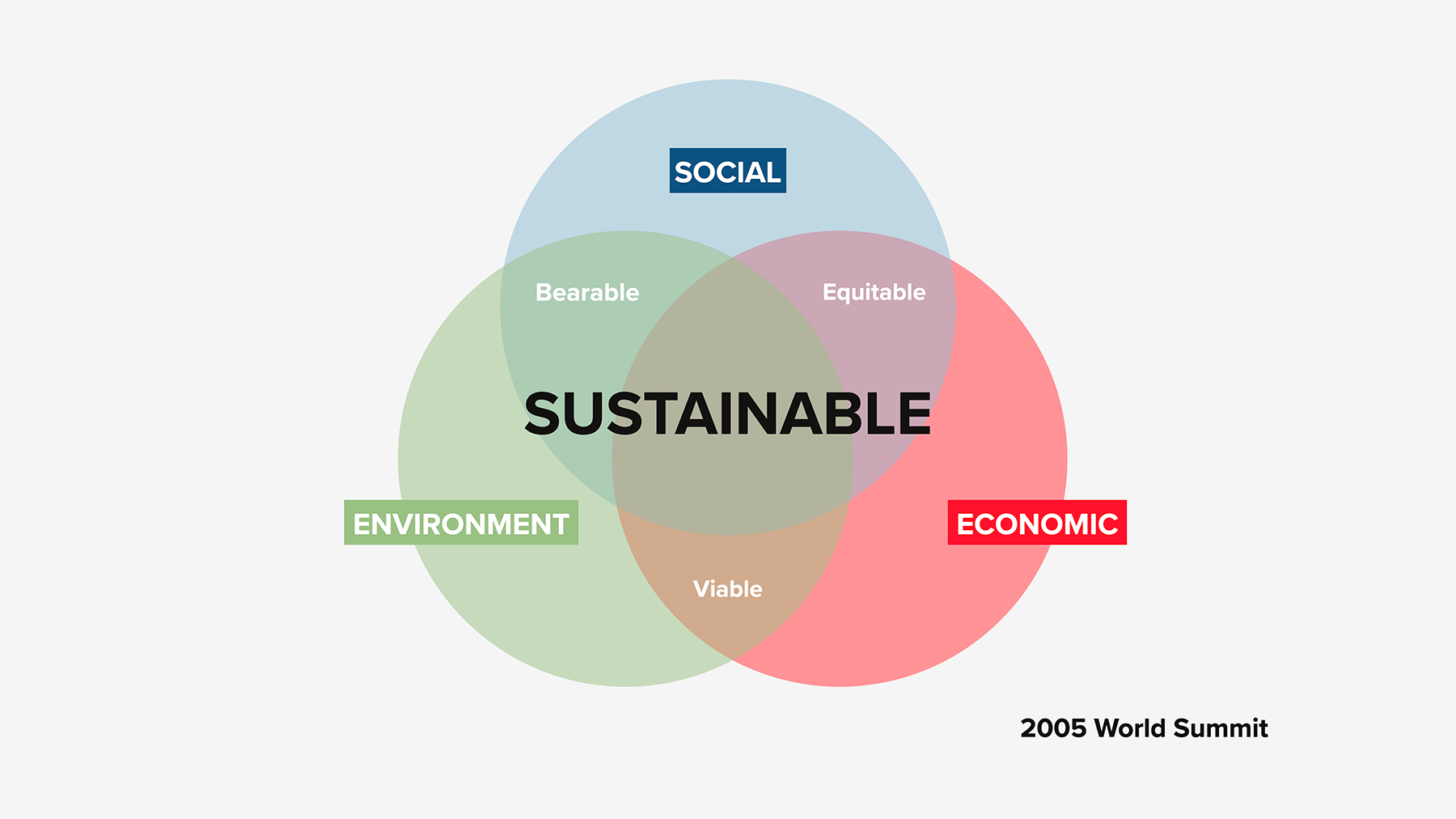
The climate crisis is a key issue facing our generation. It brings massive social and financial consequences as well as the environmental impacts. Balancing these aspects is the very definition of sustainability.
The coffee industry is both a cause of carbon emissions and impacted by climate change. If you’re a part of the United Baristas community you’ll already know that one of the easiest wins to lower the industry’s carbon footprint is to transition to lower-carbon milks and even lower carbon milk alternatives.
But, United Baristas analysis shows that we are currently providing the wrong incentives and getting poor value outcomes. This is an ideal moment to rethink our menu’s pricing structure. So, let’s look at costs and impacts associated with milks.
The cost and benefit of oat milks
The most common alternative milk is oat milk, which is more expensive to buy than dairy. For our example Flat White coffee, the additional cost is about 12 – 15p.✢
Many establishments levy a 30p surcharge (which is 25p before adding the VAT), so an average business is receiving about 10p in gross profit (this is profit before other overhead expenses) per Flat White.
The carbon savings from shifting from standard dairy milk to oat milk are massive. In the Europe one litre of milk has a carbon footprint of ~1.6 Kg CO₂e, while the global average is ~3 Kg per litre! A typical oat milk has a CO₂e per litre of about 1 Kg CO₂e, while the low-carbon leader-of-the-pack Oatly has a CO₂e per litre of just 0.44 Kg.
This means when a customer opts for an oat milk flat white over a regular flat white the business benefits by about an additional 10p on the sale and the world benefits with 100 – 200 grams carbon dioxide reduction.*
| Compared to a Flat White | Oat Milk Flat White | Flat White in BYO Cup |
|---|---|---|
| Additional cost to business | 12 – 15p | 21p |
| Revenue/Savings for business | 25p | 10p |
| Profitability | 10 – 13p additional gross profit | ~10p additional cost |
| CO2e | 100 – 200 grams reduction | 2 – 3 grams reduction |
By comparison, when take out cup discounts were commonplace, a 25p discount (21p excluding VAT) cost the business around 10p and saved only several grams of carbon.
The take out cup discount was supposedly to help lower the industry’s impacts. In practice it proved to be a discount for customers and an incredibly expensive way to reduce environmental harms. It also resulted in an average customer subsidising a customer who brought their own cup.
By contrast coffee shops are in fact profiting from customers who opt for oat milk. And, assuming we want coffee businesses to make at least the same amount of profit, those customers are actually subsidising dairy milk coffee drinkers.

Periodically we need to step back from the day-to-day demands of running a coffee business, analyse our costs, state our intentions, set our objectives, and think about how we can best bring great financial, social and environmental outcomes to the coffee industry.
The present menu structure with the 30p alternative milk surcharge is out-of-date and isn’t working.
Focusing on profitability
Over the past months we’ve been speaking with a number of proprietors about the situation. The headline outcome was that most were unaware of the additional profitability generated by the oat milk surcharge. This seems to be because before oat milk, soy milk was the most common alternative milk and they are significantly more expensive than either dairy or oat milks. It seems too few business managers are on top of their cost of goods sold and profit per SKU – more on this below.
So there’s an easy win for businesses that offer a take out cup discount to update their pricing structure by ending the reusable cup discount and reducing the alternative milk surcharge to 20p. This encourages greater environmental outcomes, is fairer and maintains business financial performance. It’s also an easy message to sell to customers.
For coffee shops that don’t offer a take out discount, but wish to maintain or enhance overall profitability, they’ll need to consider their pricing structure as a whole.

We’ve already written a well-received series on why it’s good to individually calculate gross profit per beverage. The short of it is that it provides the actionable information to identify where menus may be trimmed to reduce complexity, waste or cost; or where retail prices should be raised.
But no shop should be reluctant to lower the oat milk surcharge to around 20p, even if they need to raise general coffee prices to do so. At present, oat milk drinkers are doing more for the planet, more for coffee growers, more for coffee shop profitability – and subsidising other coffee drinkers. This situation isn’t sustainable.
Building a sustainable coffee industry
Making price changes now is timely. In the coming months many people will start to return to the office and, after a year largely working from home, they are less familiar with coffee cup prices. There’s also a general appreciation that prices go up over time and specific awareness that inflation is now higher than normal. Also, there is now widespread appreciation of the nationwide barista shortage, raising prices so businesses can pay staff more is going to be part of the solution.
We have chosen to raise this environmental issue now because we see a window of opportunity to deal with the alt-milk surcharge in the context of other social and economic aspects.
The road to sustainability is long, will probably be challenging at times and may involve tough choices. But this isn’t one of those moments. Updating menus and pricing structures can both help customers to make environmentally better choices and support coffee businesses’ viability. It’s a no brainer. We should do it now, because it’ll benefit our staff, our businesses, coffee growers and the industry as a whole.
And do let us know when you update your menu pricing, we love to see what you’re doing. We’re on all the usual social channels.