
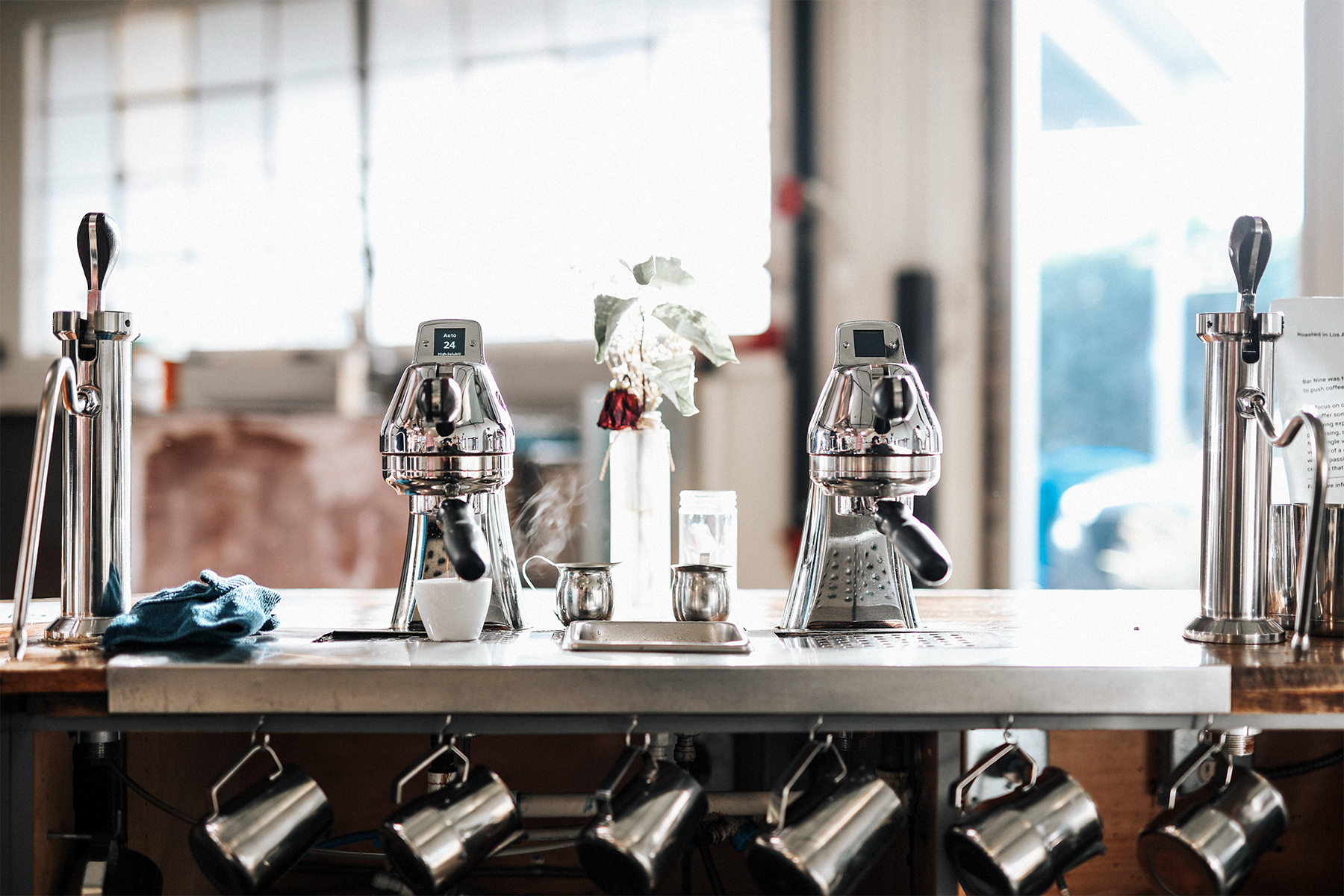
How much is coffee equipment worth? For example, what is the current market value of this Modbar? 👆
Baristas and coffee businesses need to be able to value equipment when buying, selling and upgrading. This United Baristas guide explains how to identify a selling price – and how buyers and sellers can ascertain the going market price.
How to value coffee equipment
When pricing equipment there are two values you need to identify:
Book value
This is the value the item is worth in your company’s accounts.
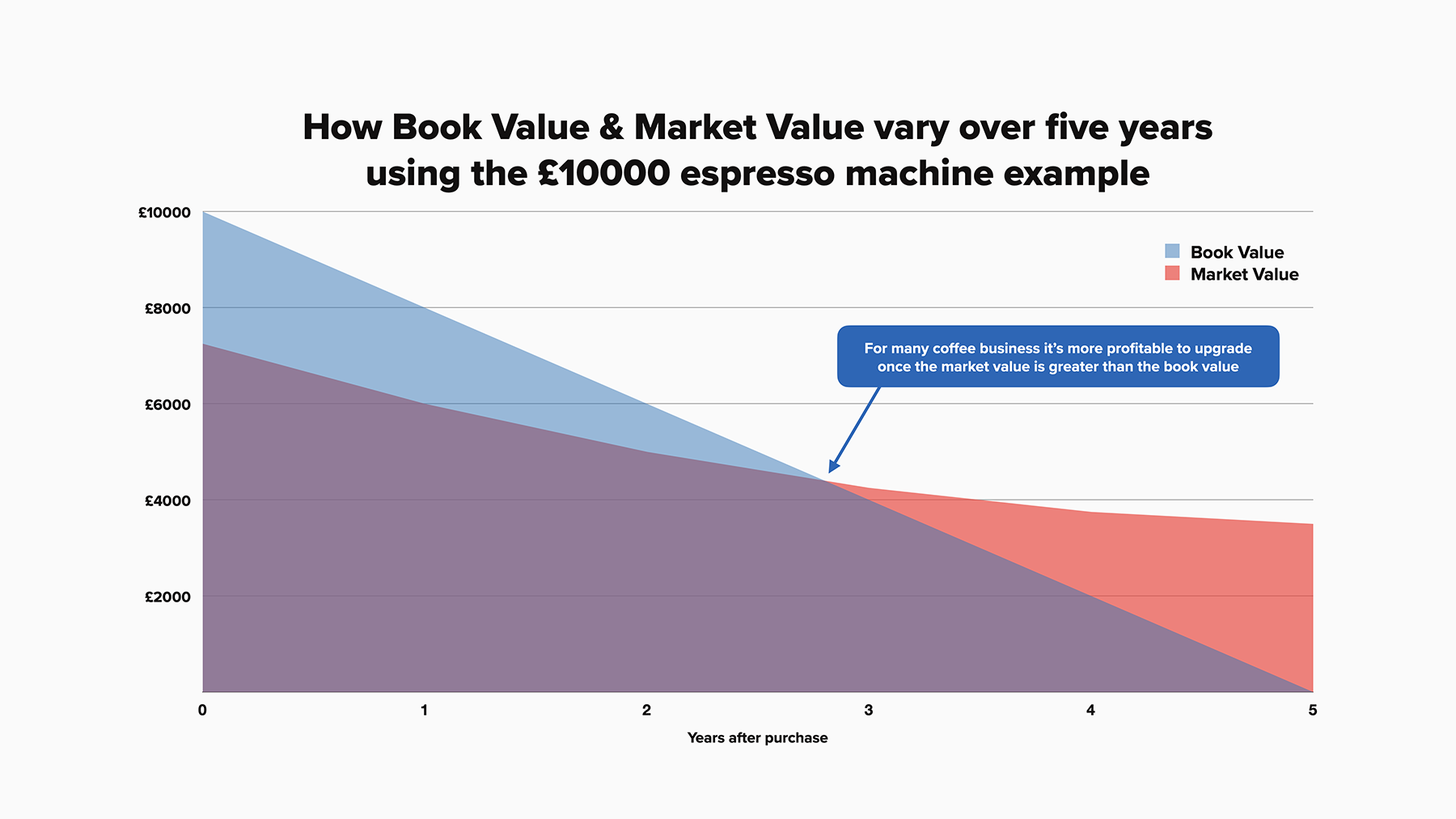
Many coffee businesses will depreciate their equipment over five years using straight line depreciation. Under this method, the item looses one-fifth of its purchase price each year. For example, a machine purchased for £10,000 looses £2,000 of value each year and will be valued at £4,000 after three years and have no book value after five years.✣
Market value
This is the amount that another party will actually pay for the item.
The market value is subject to market forces such as supply and demand and susceptible to other factors such as advertising, trends and the seller’s reputation.
To estimate the market price of your equipment, benchmark the item against at similar items on United Baristas Marketplace – especially those that have recently sold.
Recently sold coffee equipment
Putting it all together
It is unrealistic to price used (even near new) espresso machines at close to their list price. Let’s guess that the market dictates machines are worth 25–35% less as soon as they are unboxed.
For comparison, the AA estimates new cars depreciate 40% in the first year of ownership.
However, a good condition, quality three-year old espresso machine is likely to have a market value greater than 40% of its purchase price. And a four-year espresso machine even more likely to have a market value of greater than 20% of its purchase price.
Older items tend to hold their value better than newer items – so the item typically depreciates less each year until to reaches end of life.
Representing these ideas in a graph clearly shows how sometimes book value is higher than market value — and visa versa.
What does this mean?
For most businesses who buy new equipment and wish to sell their used equipment, it makes financial sense to upgrade once the market value is greater than the book value.
Maintenance costs usually increase with the item’s age and should be factored in to financial calculations when buying and selling used equipment.
Buying used equipment makes financial sense when you can’t afford a new item or the running costs (depreciation plus maintenance) are lower for a used item than a new item.
Sometimes other factors are more important when the asking price is set, such as:
- Upgrading because of technological or operational advantages
- A need to convert assets to cash
- The cessation of trade of a business unit
If you’re planning to sell, then move as quickly as possible
To take the example of our £10,000 espresso machine, if it was depreciated over five years using straight-line depreciation, the cost is:
- 5 years, of 365 days, plus a leap day = 1,826 days
- £10,000 / 1,826 days = £5.48 per day
While that’s a low cost relative to all the total daily cost of running a coffee business, if that machine was to sit around unused for five months before being sold, it’d have cost the company ~£415 of depreciation over that time.✥
Most business owners would rather have had that money in the bank – and that’s also ignoring the cost of capital.
Establishing market pricing for used equipment
When United Baristas first started a Marketplace, we often received requests to value used coffee equipment. Our position was – and is still is – not to provide specific valuations✼; however, we’ve taken a number of steps to establish market pricing for coffee equipment.
- United Baristas has facilitated greater sale of used coffee equipment and lowered transaction costs, which has created greater liquidity and helped to establish market pricing for many items
- We have frequently explained these principles to the coffee community, so that they have become increasing understood and used
- With the latest version of United Baristas Marketplace, you can view recently sold items to get clearer sense of the going price for various items
United Baristas is committed to supporting a vibrant market for used coffee equipment so that baristas and coffee businesses benefit from clear market pricing, the opportunity to buy and sell used equipment, and businesses can better ascertain an appropriate upgrade cycle.